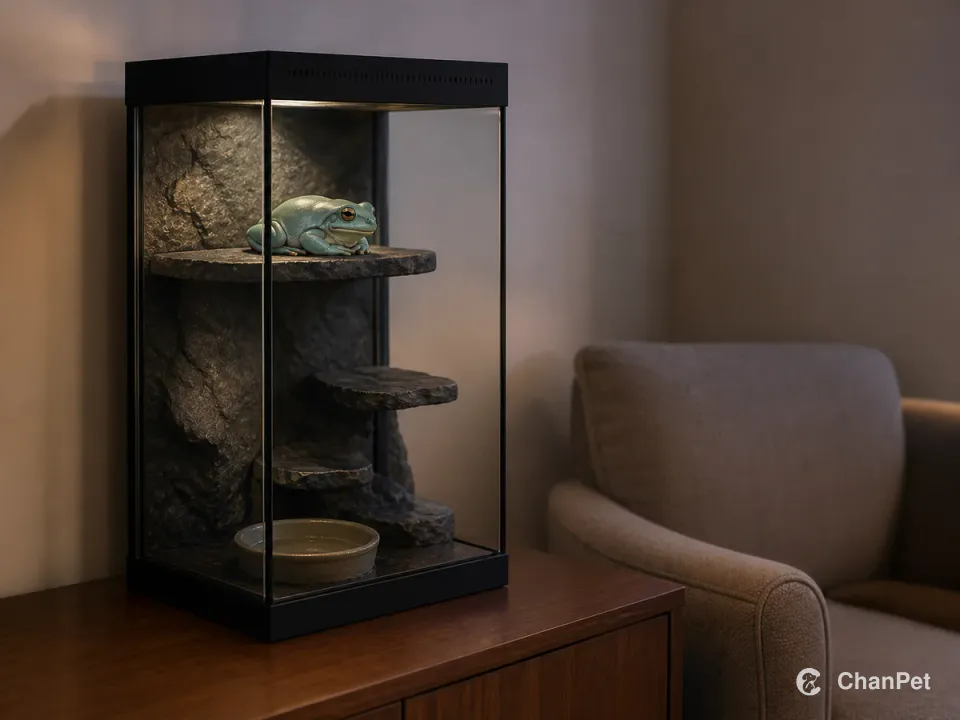
Apartment & rental fit · Reptile/amphibian

Is a White's Tree Frog a good fit for apartments or rentals?

Short answer: White's Tree Frog is a conditional fit for apartment living — 4.1/5. It needs little exercise, which really helps here. Below, the per-metric score, monthly cost and a checklist help you decide.

Category Reptile/amphibian
Lifespan10–15 yrs
Monthly cost$20–$60/month (China reference ¥100–¥300/month)
Care focusHeat & lighting

First-time owner: check this first

Main watch-out: Amphibian skin is sensitive and poor for handling; water, hygiene, overheating, humidity and possible night calling all need planning.

Relatively easier: Space pressure 2/5, Noise 2/5, Budget pressure 2/5.

Proceed if

  • You can already meet the scenario’s space, time, budget and cleaning needs.
  • You can sustain this care setup: Plan an arboreal frog enclosure with height, foliage, clean dechlorinated water, ventilation, heat/humidity gradients and supplemented insect feeders.
  • Household members, roommates, property rules, local legality and veterinary access are confirmed.

Pause if

  • This core risk cannot be accepted or managed: Amphibian skin is sensitive and poor for handling; water, hygiene, overheating, humidity and possible night calling all need planning.
  • Pressure points are unresolved: Cleaning load 3/5, Budget pressure 2/5.
  • The budget covers purchase/adoption only, not medical care, emergencies, boarding or equipment replacement.

What to check before committing

Space pressureEasier
2/5
NoiseEasier
2/5
Cleaning loadPlan for it
3/5
Budget pressureEasier
2/5
Score basis and methodScenario weighted · screening only
  • Space pressure2/5
  • Noise2/5
  • Cleaning load3/5
  • Budget pressure2/5

Breed-specific watch-out

Plan an arboreal frog enclosure with height, foliage, clean dechlorinated water, ventilation, heat/humidity gradients and supplemented insect feeders. Common mistake: Amphibian skin is sensitive and poor for handling; water, hygiene, overheating, humidity and possible night calling all need planning.

Why it can work

  • Appealing look
  • Relatively hardy
  • Active at night
  • Good climbing display

What to plan for

  • Sensitive skin; poor for handling
  • Live insects needed
  • Humidity and water must be stable
  • May call at night

How to set it up

  • Plan an arboreal frog enclosure with height, foliage, clean dechlorinated water, ventilation, heat/humidity gradients and supplemented insect feeders.
  • Confirm lease, building and neighbor tolerance first; White's Tree Frog has noise pressure 2/5 and space pressure 2/5.
  • Map the main habitat, cleaning zone, isolation area and escape/leak/odor risk points on your floor plan.
  • Provide a tall enclosure, foliage and clean water
  • Use dechlorinated water for humidity with ventilation

First-week focus

  1. Day 1: stabilize the environment and observe; do not rush handling or major layout changes.
  2. Days 2–3: record eating, elimination, activity and temperature/humidity/water quality.
  3. Days 4–7: adjust the setup from the checklist and confirm veterinary or specialist access.

Pre-adoption checklist

  1. Confirm housing, building, roommates/family and local rules allow White's Tree Frog.
  2. List one-time equipment, monthly supplies, routine care and emergency funds.
  3. Confirm veterinary, emergency or specialist access for this reptile/amphibian.
  4. Prepare the first 7 days of observation, cleaning and isolation routines for White's Tree Frog.
  5. Provide a tall enclosure, foliage and clean water
  6. Use dechlorinated water for humidity with ventilation

Reptile and amphibian authority summary

Safety boundaries

For reptiles and amphibians, manage temperature/humidity/water quality, lighting, feeders, escape and Salmonella hygiene separately.

Educational pre-adoption screening only; not a substitute for veterinary, trainer, medical or local legal advice. Consult a professional for allergies, immunocompromise or child-safety risks.

FAQ

Is a White's Tree Frog a good fit for apartments or rentals?

White's Tree Frog scores 4.1/5 for Apartment & rental fit, which means “Conditional fit.” Prioritize space pressure 2/5, noise 2/5 and exercise need 1/5; renters should also confirm lease, neighbor and building rules.

How much does White's Tree Frog cost per month?

Site estimate: $20–$60/month (China reference ¥100–¥300/month). City, veterinary care, food quality, equipment, supplies, boarding and emergencies can change the actual cost.

What is the biggest pre-adoption risk with White's Tree Frog?

This core risk cannot be accepted or managed: Amphibian skin is sensitive and poor for handling; water, hygiene, overheating, humidity and possible night calling all need planning. Confirm budget, time, veterinary access and local rules before adoption.

Why evaluate the living scenario?

Housing, time and budget directly change the real care load for White's Tree Frog.

More options in this scenario