Turn “can I touch it?” into “what did I notice?”
Marmots standing alert, disappearing into burrows and changing through the year can capture a child's attention. Use field footage, conservation pages and drawings to explore what the animal is choosing rather than trying to bring it into a play space.[1]
That approach teaches an important distinction: seeing wildlife does not create a need to touch it. Conservation breeding programs intentionally keep human contact low so marmots can retain more natural conditions.[2]
A home should not test a wild animal's tolerance
Children's noise, running and visitors belong in a healthy family home. A marmot relies on vigilance, retreat and a burrow. Those are different daily worlds, and more affection cannot make them match.[1][2]
Choose a guinea pig, domestic cat or isopod colony if the family wants shared care. Adults still take responsibility, but the animal can have a home life built around clear, appropriate family routines.[2][1]
Hygiene is one clear boundary, not the whole answer
Handwashing after contact with animals and their environments is a useful household rule. It supports good habits, while the bigger question remains whether the animal's welfare fits family life at all.[3][1]
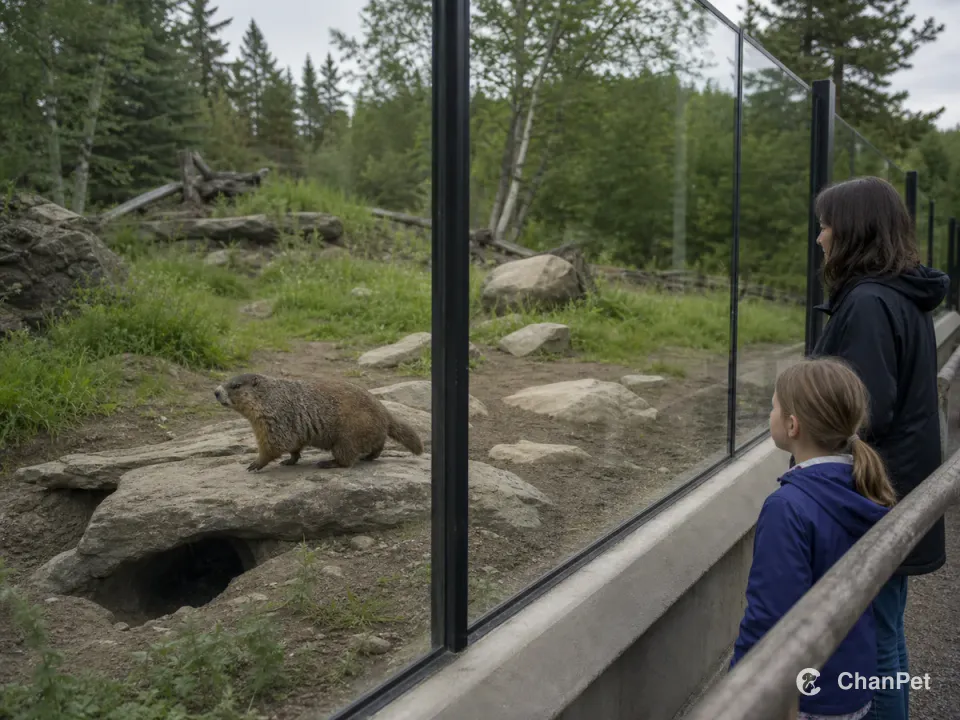
Watching at a respectful distance keeps a child curious and leaves the marmot’s space to the marmot.[1][2]
Let respect be the first animal lesson
Choose a relationship that feels safe for everyone
Common questions
Sources
Sources used in this article
- [1]A Marmot's LifeUCLA Rocky Mountain Biological Laboratory
- [3]Hygiene Practices Around AnimalsCenters for Disease Control and Prevention
- [2]Conservation Breeding and Reintroduction — Vancouver Island MarmotToronto Zoo