An asking price is not a care plan
Fennec life depends on sand, retreats, night activity and chances to search for food. Zoo care also uses training to support weighing, checks and treatment. The ongoing work lies in keeping those conditions reliable and responsive.[1]
Smithsonian lists a varied managed diet that includes meat, insects, mice, fruit and vegetables. That is not an invitation to copy a shopping list. It shows why an individual animal needs informed dietary judgment over time.[2][1]
Budget cuts remove choice from the animal
Saving money often means reducing space, replacement materials or enrichment. For a fennec, those things are part of digging, hiding and food-searching. They are not optional finishing touches.[1][2]
Welfare research on exotic-animal interaction settings shows how easily rest and behavioural choice get pushed aside for human convenience. A household that cannot fund the basics leaves every essential adjustment for later.[3]
Use a limited budget where it has room to work
With a limited budget, write down regular supplies, emergency care and backup care before choosing a domestic pet. That is not a lesser version of liking fennecs. It is a more honest way to use your resources.[1]
When a plan only survives by cutting key welfare conditions, it is the wrong plan from the start. A companion that can be reliably cared for within your real budget is the better choice.[2][3]
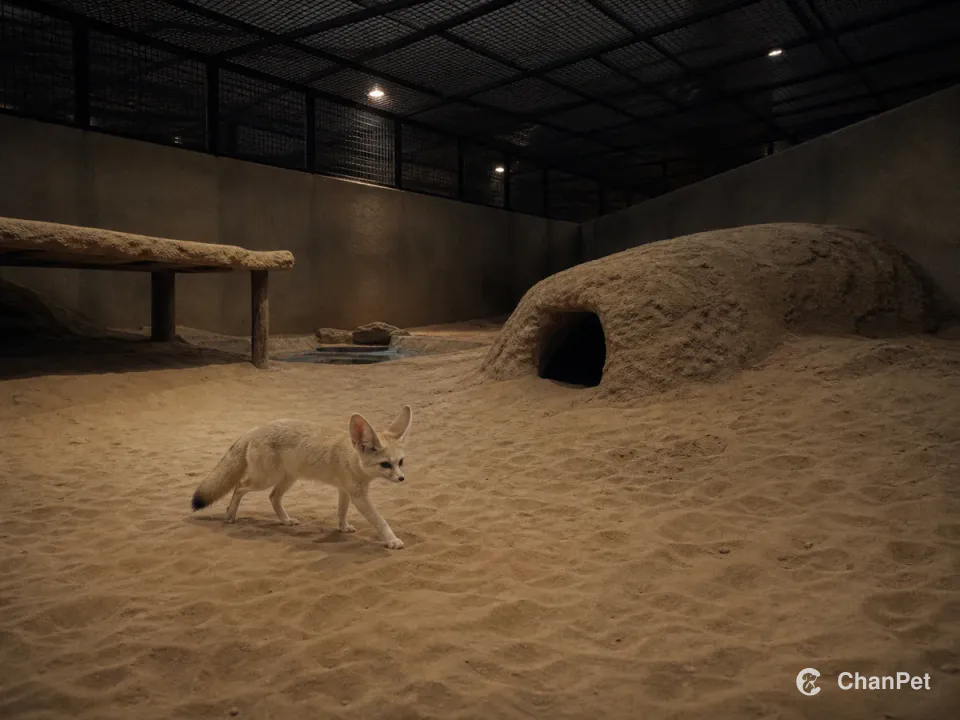
Deep sand, den-like shelter, secure boundaries and ongoing observation form one specialist welfare setting. Each requires long-term resources.[1][2]
Build a budget around dependable care
A budget should make a stable life possible
Common questions
Sources
Sources used in this article
- [1]How to Care for Fennec FoxesSmithsonian's National Zoo and Conservation Biology Institute
- [2]Fennec foxSmithsonian's National Zoo and Conservation Biology Institute
- [3]Unveiling welfare concerns in Japanese exotic animal cafesFrontiers in Veterinary Science