Give the double coat a real routine
The Pembroke has a weatherproof outer coat and a dense undercoat. AKC notes that loose hair appears every day and builds up more heavily during seasonal shedding. Keep a brush where you will use it, then make a quick coat check part of the return from a walk or the evening settle-down.[1][2]
A vacuum schedule works better than waiting until hair collects in every corner. Brush the dog outside or on a washable mat, empty the brush there, and keep one lint tool near the sofa. These ordinary habits let the coat stay part of the household rather than becoming a recurring surprise.[2]
Make the front door less exciting
Corgis were developed as alert working dogs, so a knock, a lift door, or someone arriving home can matter to them. Give the dog a task before the door opens: step back, wait by a mat, then greet when the room is calm. Rehearse it during easy moments instead of only when a visitor is already here.[1][2]
Keep the arrival low-key. Put bags down, take off shoes and speak normally before inviting the Corgi over. A predictable entrance gives the dog less reason to race from room to room and gives you a clearer chance to reward the quiet behavior you want.[2]
Put cleanup where the mess begins
Place a towel, a washable mat and a small bin near the entrance. Wipe paws before the dog crosses the room, then return the lead and brush to the same spot. The setup takes less effort when every item has an obvious place.[2]
After bowls, waste bags, grooming tools or muddy paws, wash hands with soap and water. CDC includes handwashing among its basic advice for living with dogs. A simple cleanup station keeps that step close to the moment it is needed.[3]
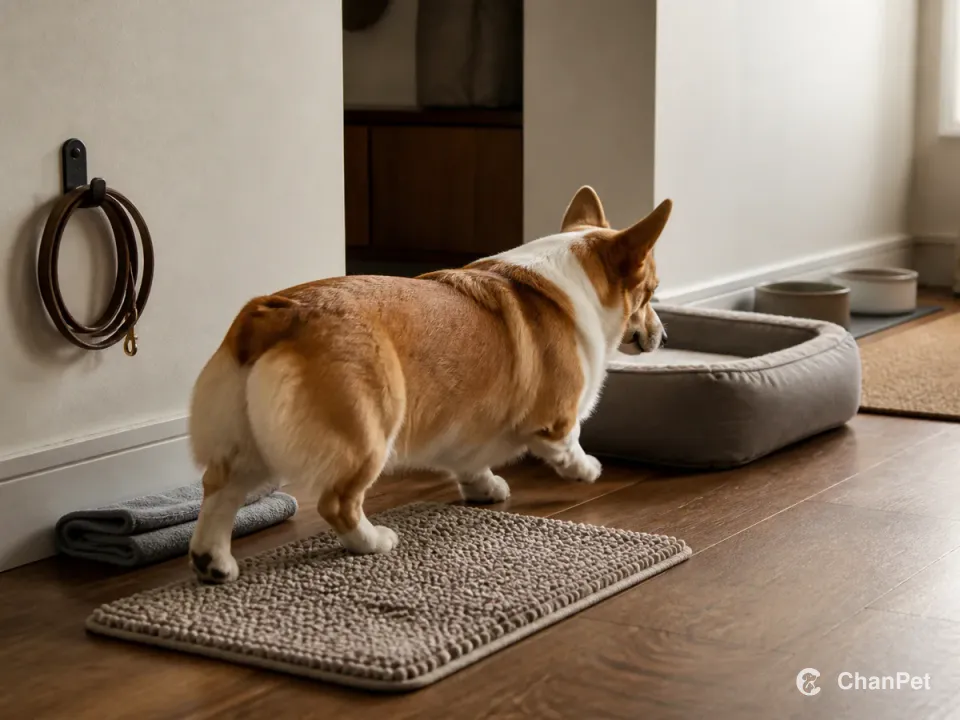
A wipe mat, cleaning towel, stored lead, washable bed, and food-and-water area form a familiar route for the return home. Regular brushing and short, frequent cleanup keep shed hair and doorway excitement manageable.[1][3]
Tidy works with a repeatable rhythm
Choose the cleanup rhythm you enjoy
Want to compare a Corgi's coat work and home routine with your own preferences? Start a smart match and answer around the details that shape your day.[2][3]
Common questions
How much does a Corgi shed?
Sources
Sources used in this article
- [1]Welsh Corgi (Pembroke) (FCI Standard No. 39)F茅d茅ration Cynologique Internationale
- [2]Pembroke Welsh Corgi Dog Breed InformationAmerican Kennel Club
- [3]DogsCenters for Disease Control and Prevention