The next room is part of the care decision
The room you have today may not be the room you have next term. A move can add stairs, change the litter route, remove a resting area, or put food and water behind a closed door. A Munchkin needs its ordinary resources arranged so it can reach them without a difficult climb.[1][2]
Before choosing a cat, map the next likely move as well as the current bedroom. Think about elevators, stairs, roommates, transport, and where a low litter box and quiet rest spot will go. A stable route is part of the cat's welfare, even when student housing feels temporary.[2][3]
Exam week still needs the cat's routine
Cats need separate resources, safe rest, play, and predictable human contact. An exam week can quietly strip those pieces out of the day. Build meals, litter care, a few minutes of play, and a calm check-in into the busiest schedule before you decide to add a cat.[2][3]
Munchkins can be curious and playful, yet a changing home can make ordinary movement harder to read. Note the cat's normal routes and preferred resting spots. A new hesitation after a move is useful information to share with a veterinarian.[1][2]
A sitter needs more than a feeding note
A holiday carer should see the actual layout before you leave. Show them the low routes, food and water locations, litter routine, favorite rest spots, carrier, and veterinary contact. A clear walkthrough prevents a visitor from moving the resources that keep the cat comfortable.[2][3]
Ask the carer to send a few ordinary updates about eating, litter use, and movement. This keeps the cat's day visible while you are away. It also gives the person a simple reason to call when the cat has changed its usual pattern.[3][1]
Choose a cat that can travel with your life
A cat can share student life well when its needs fit the housing and support that keep changing around it. For a Munchkin, that means consistently rebuilding low access and watching how the cat uses it. The work follows you from one address to the next.[1][2]
A domestic shorthair or British Shorthair gives you a better alternative to explore while your housing and calendar remain in motion. Choosing later can be kinder than expecting a short-legged cat to adapt to every unfamiliar room.[3][2]
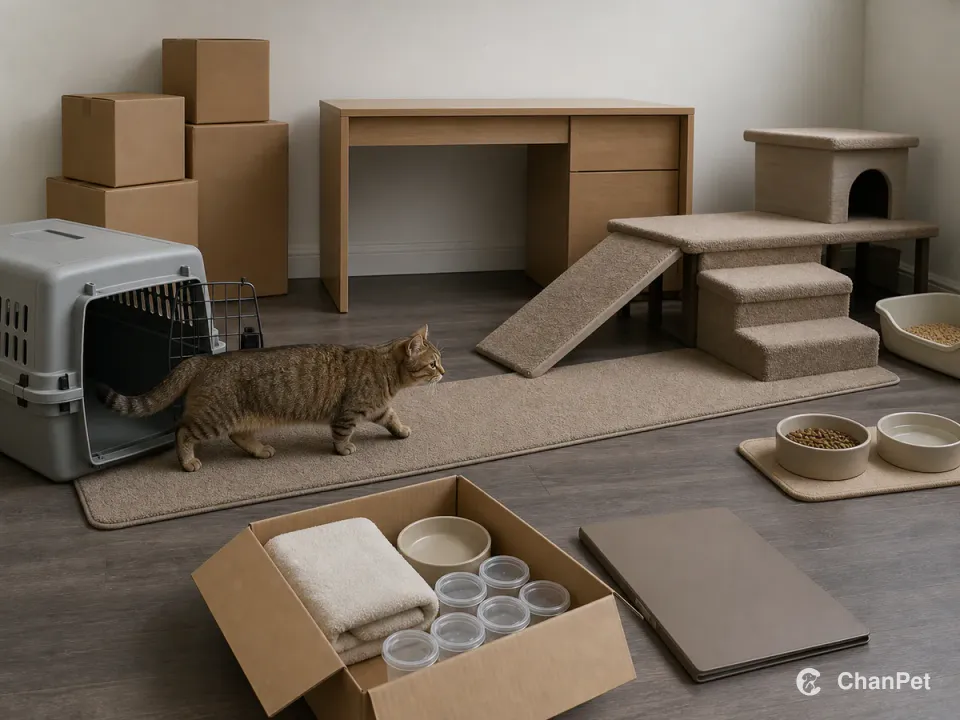
At a new address, rebuild the low route, litter, food, water, and familiar carrier first; the handover plan travels with the whole setup.[1][2][3]
Let your next move guide the choice
Use the alternatives match to compare domestic shorthairs and British Shorthairs with your likely moves, class load, breaks, and backup support.[2][3]
A changing schedule needs a more forgiving fit
Common questions
Can a Munchkin adjust to a new dorm or apartment?
Sources
Sources used in this article
- [1]Munchkin: Breed IntroductionThe International Cat Association
- [2]Your Cat's Environmental Needs: Practical Tips for Cat CaregiversFeline Veterinary Medical Association and International Cat Care
- [3]Choosing and Caring for Your New CatCornell University College of Veterinary Medicine, Cornell Feline Health Center