🐾Chan Chan Pet

Low-maintenance care · 🦎 Reptile/amphibian

Is a Ball Python genuinely low-maintenance?

Ball Python scores 4.2/5 for “Low-maintenance care”: Conditional fit. The decision is not just category-based; it weighs how this ball python behaves under this scenario’s space, time, budget, hygiene, safety and legal constraints.

Cleaning load 3/5Budget pressure 2/5Grooming 1/5Exercise need 1/5

Scenario diagnosis

  • Decision: Ball Python is “Conditional fit” for “Low-maintenance care” with a 4.2/5 score.
  • Main pressure points: Cleaning load 3/5, Budget pressure 2/5, Companionship 2/5.
  • Useful strengths: Grooming 1/5, Exercise need 1/5, Time need 2/5.

Quick facts

  • Chinese name球蟒
  • Category🦎 Reptile/amphibian
  • Care lensball python
  • Lifespan20–30 yrs
  • Monthly cost$20–$60/month (China reference ¥100–¥300/month)

Core metric breakdown

Time need
2/5low
Cleaning load
3/5moderate
Grooming
1/5low
Exercise need
1/5low
Companionship
2/5low
Budget pressure
2/5low
Space pressure
2/5low
Beginner score
4/5high

How the score is weighted

This score is a pre-adoption screen. Weighting is scenario-specific rather than a site-wide average.

Pet × scenario judgment

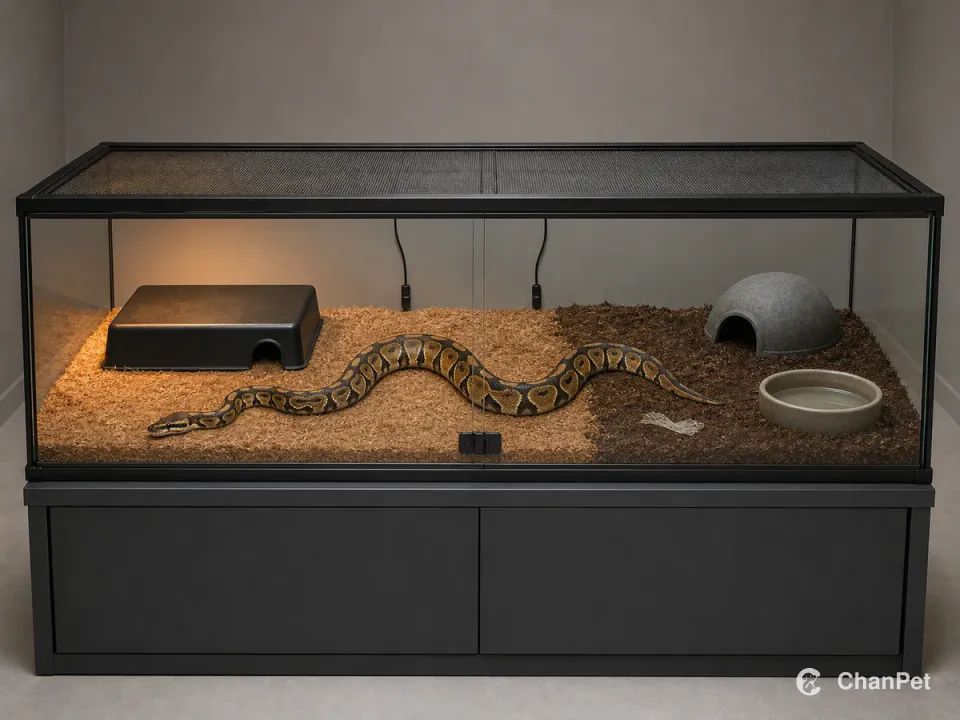
Ball Python should be assessed for “Low-maintenance care” with its breed/species traits in mind: Prepare legal sourcing, a secure enclosure, heat zones, hides, humidity and frozen-thawed feeder handling. Main check: Cleaning load 3/5. Common mistake: Live feeding, escape risk and household acceptance are hard boundaries.

Why it can work

  • Docile — beginner-friendly
  • Handleable
  • Many morphs
  • Silent

What to plan for

  • 20-30 year commitment
  • Frozen rodent feeding
  • Permits in some regions
  • Strong escape artist

Pet × scenario setup

  • Prepare legal sourcing, a secure enclosure, heat zones, hides, humidity and frozen-thawed feeder handling.
  • Time need is 2/5 and cleaning load is 3/5; split daily, weekly and monthly tasks.
  • Set reminders for feeding, cleaning, weight, water quality or temperature/humidity logs.
  • Confirm warning signs, veterinary/rescue access and temporary isolation plans for Ball Python.

Proceed if…

  • You can already meet the scenario’s space, time, budget and cleaning needs.
  • You can use these strengths: Grooming 1/5, Exercise need 1/5.
  • You can sustain this care setup: Prepare legal sourcing, a secure enclosure, heat zones, hides, humidity and frozen-thawed feeder handling.
  • Household members, roommates, property rules, local legality and veterinary access are confirmed.

Delay if…

  • This core risk cannot be accepted or managed: Live feeding, escape risk and household acceptance are hard boundaries.
  • Pressure points are unresolved: Cleaning load 3/5, Budget pressure 2/5.
  • The budget covers purchase/adoption only, not medical care, emergencies, boarding or equipment replacement.

First-week focus

  1. Day 1: stabilize the environment and observe; do not rush handling or major layout changes.
  2. Days 2–3: record eating, elimination, activity and temperature/humidity/water quality.
  3. Days 4–7: adjust the setup from the checklist and confirm veterinary or specialist access.

Pre-adoption checklist

  1. Confirm housing, building, roommates/family and local rules allow Ball Python.
  2. List one-time equipment, monthly supplies, routine care and emergency funds.
  3. Confirm veterinary, emergency or specialist access for this reptile/amphibian.
  4. Prepare the first 7 days of observation, cleaning and isolation routines for Ball Python.
  5. Prepare legal sourcing, a secure enclosure, heat zones, hides, humidity and frozen-thawed feeder handling.
  6. Confirm warning signs, veterinary/rescue access and temporary isolation plans for Ball Python.
  7. Time need is 2/5 and cleaning load is 3/5; split daily, weekly and monthly tasks.
  8. Set reminders for feeding, cleaning, weight, water quality or temperature/humidity logs.

Reptile and amphibian authority summary

Safety boundaries

For reptiles and amphibians, manage temperature/humidity/water quality, lighting, feeders, escape and Salmonella hygiene separately.

Educational pre-adoption screening only; not a substitute for veterinary, trainer, medical or local legal advice. Consult a professional for allergies, immunocompromise or child-safety risks.

FAQ

Is a Ball Python genuinely low-maintenance?

Ball Python scores 4.2/5 for Low-maintenance care, which means “Conditional fit.” Daily time need 2/5, cleaning need 3/5 and grooming need 1/5; low-maintenance means lower routine load, not no supervision.

How much does Ball Python cost per month?

Site estimate: $20–$60/month (China reference ¥100–¥300/month). City, veterinary care, food quality, equipment, supplies, boarding and emergencies can change the actual cost.

What is the biggest pre-adoption risk with Ball Python?

This core risk cannot be accepted or managed: Live feeding, escape risk and household acceptance are hard boundaries. Confirm budget, time, veterinary access and local rules before adoption.

Why evaluate the living scenario?

Because Ball Python can have different space, time, budget, cleaning, hygiene and legal pressure in the “Low-maintenance care” scenario than in a generic profile.

More options in this scenario