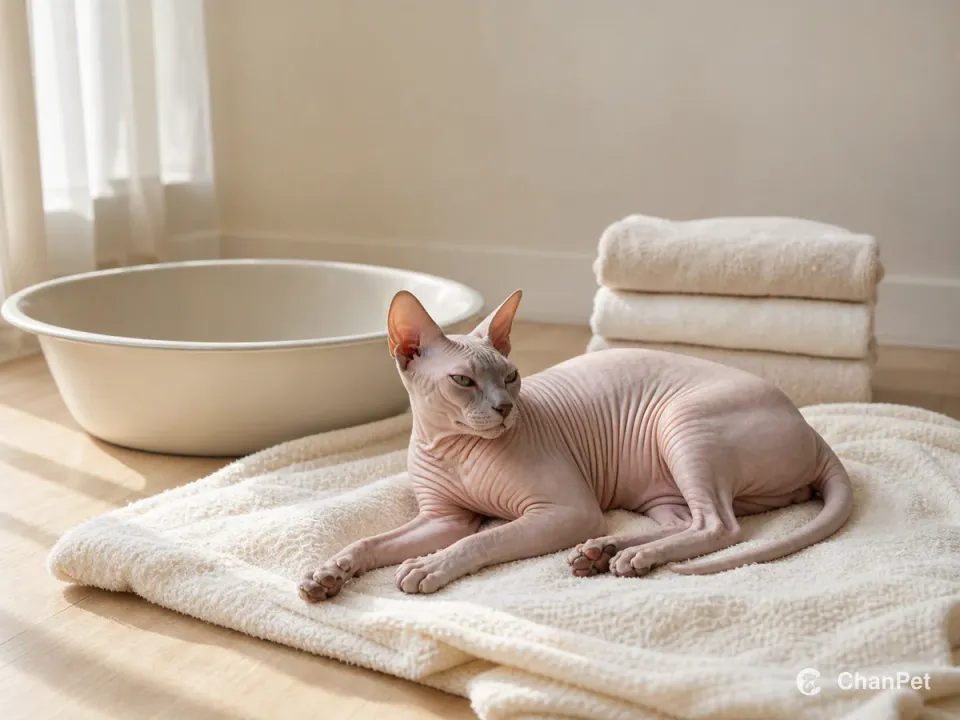
Quiet & clean home fit · 🐱 Cat

Is a Sphynx suitable for a quiet, clean home?

Short answer: Sphynx is a stretch for a quiet, clean home — 3.3/5. The main catch: it runs pricey. Below, the per-metric score, monthly cost and a checklist help you decide.

A quiet, clean pet plan is not zero-maintenance; it keeps noise, odor and cleaning predictable. Sphynx scores 3.3/5.

Quiet score3.0/5Higher is quieter
Clean-home score2.0/5Higher is easier to keep tidy
Odor risk4/5Cleaning rhythm and ventilation
Allergy/scatter1/5Hair, dust, bedding or water
Get My Report100% Free • No sign-up
Open full profile
Category🐱 Cat
Lifespan8–14 yrs
Monthly cost$80–$160/month (China reference ¥900–¥2000/month)
Care focusCleaning & interaction

You may like Sphynx, but not want odor, hair, noise or extra cleaning to take over the home.

That is not being fussy; it is a valid quality-of-life constraint.

This page checks quietness, odor, cleaning frequency, allergy pressure and equipment noise separately.

For Sphynx, confirm this before deciding: Hairless does not mean low-cleaning; skin and temperature management become more important.

1 · Direct verdict

Is it actually right for a quiet, tidy home?

Verdict: Sphynx is a needs careful planning for quiet, tidy homes, but the real question is not abstract ease; it is whether you can handle Budget pressure 5/5, Cleaning load 4/5, Time need 4/5.

Why it can work

  • Nearly hairless
  • Extremely affectionate
  • Smart

Where it can fail

  • Needs warmth
  • Weekly baths
  • High HCM rate
  • Expensive

The decision hinge

If you can sustain this setup: Plan warmth, sun protection, skin-oil cleaning, ear care and skin monitoring, keep reading; if not, pause first.

2 · Minimum setup

Buy what keeps the pet safe before what looks nice

This separates must-haves from later upgrades so budget and attention do not get swallowed by cosmetic purchases.

Must have

  • A fixed cleaning zone, ventilation point, storage point and anti-scatter/leak plan.
  • Test family tolerance for odor, dust, shedding or equipment hum before committing.
  • Litter box, litter, stable food/water stations and scratching areas.
  • Hiding spots, elevated resting, carrier and basic vet/vaccine planning.
  • Plan warmth, sun protection, skin-oil cleaning, ear care and skin monitoring.
  • Confirm warning signs, veterinary/rescue access and temporary isolation plans for Sphynx.

Can wait

  • Premium odor control, low-noise equipment and matching storage can wait.
  • Noise 3/5, shedding/dust 1/5 and grooming 3/5; choose cleaning tools and ventilation in advance.
  • Evaluate odor, water quality, dust, bedding, shedding or manure-cleaning frequency.

3 · Correct order

In week one, aim for stability before closeness

Many failures are not from lack of love; they come from doing things in the wrong order.

  1. 01

    Plan the zone

    Choose the habitat, cleaning area, ventilation and storage first.

  2. 02

    Set the cleaning flow

    Tools, waste handling, scatter control and leak prevention start on day one.

  3. 03

    Record the first week

    Track odor, noise, shedding/dust, waste and family feedback daily.

  4. 04

    Tune the frequency

    Adjust ventilation, supplies and maintenance based on real household tolerance.

4 · Common failure points

The outcome usually turns on these underlying factors

These failures are usually not a lack of care; one link in setup, budget, rhythm or judgment was not made stable early enough.

Odor source is underestimated

Owner pattern
Clean only when you smell something.
Consequence
Odor can sink into bedding, filters, fabric or corners.
Better move
Set a fixed cycle based on waste, water, bedding or hair source.

Equipment hum is not tested

Owner pattern
Discover filter, fan, fountain or wheel noise after setup.
Consequence
Night noise can directly affect sleep and acceptance.
Better move
Choose low-noise equipment and place it carefully.

Tools are pretty but hard to clean

Owner pattern
Prioritize appearance over cleanability.
Consequence
Maintenance becomes annoying and gets delayed.
Better move
Choose cleanability first; match aesthetics later.

Species-specific needs get ignored

Owner pattern
Hairless does not mean low-cleaning; skin and temperature management become more important.
Consequence
The problem often grows during the first week or first maintenance cycle.
Better move
Plan warmth, sun protection, skin-oil cleaning, ear care and skin monitoring.

More options for the same scenario

How Sphynx compares with nearby options

Sphynx stands out because it hardly sheds; the trade-off is that it runs pricey. These are the most useful next comparisons, not random links.

Cost and time visuals

Cost and time: cleanliness buys predictability

A quiet, clean pet plan is not zero-maintenance; it keeps noise, odor and cleaning predictable. Sphynx scores 3.3/5.

Key takeaway$80–$160/month (China reference ¥900–¥2000/month)

Quiet-clean pet keeping is not zero maintenance; it makes odor, noise and cleaning predictable.

Cost split

Rhythm or risk

Odor
4/5
Noise
3/5
Hair/scatter
1/5
Allergy
2/5
Cleaning frequency
4/5

Next: if the monthly cost, daily time and highest risk are acceptable, move to the checklist.

Pre-arrival checklist

Check first, then decide

The first three are hard requirements. Do not start with “I’ll fix it later.”

Check items to get a live next-step suggestion.

Authority summary

Cat authority summary

For Sphynx, this means environment, hygiene, veterinary access and legal boundaries come before looks, price or interaction.

  • For cats, home fit is not just floor area; safe hiding places, separated food/water/litter/scratching resources, predictable routes and hunting-style play are core.
  • Indoor cats without enrichment are more likely to develop obesity, destructive scratching, inappropriate elimination or stress-related behavior, so “low maintenance” still includes daily interaction.
  • In multi-cat or child-heavy homes, resources should be distributed so the cat is not blocked while eating, drinking, toileting or resting.

Safety boundaries

Accept the boundary before the preference

Cats still need veterinary care, neuter/vaccine planning, litter boxes, scratching, hiding and enrichment.

Educational pre-adoption screening only; not a substitute for veterinary, trainer, medical or local legal advice. Consult a professional for allergies, immunocompromise or child-safety risks.

FAQ

Questions readers search for

Is Sphynx easy to keep for beginners?

Hairless, warm-bodied, weekly bathing. For this page, the verdict is “Needs careful planning” (3.3/5), not a blanket recommendation; the main trade-off is Needs warmth.

What is the most underestimated problem with Sphynx?

Needs warmth is the underestimated issue. Plan warmth, sun protection, skin-oil cleaning, ear care and skin monitoring If that trade-off is not acceptable long term, appearance alone is not a good reason to proceed.

How long does Sphynx live?

Typical lifespan is about 8-14 years. Plan budget, travel care, moves and senior care across the full life, not just the purchase stage.

How much does Sphynx cost per month?

Site reference: $80–$160/month (China reference ¥900–¥2000/month). Real cost changes with location, food, supplies, equipment replacement, boarding and emergency reserve, so purchase price is not enough.

What does Sphynx eat, and how should I feed it?

Sphynx should eat a complete cat food matched to age and body condition. Portion control matters; treats should not hide appetite changes or weight gain.

How much space and setup does Sphynx need?

Plan warmth, sun protection, skin-oil cleaning, ear care and skin monitoring. Start with: Litter box, litter, stable food/water stations and scratching areas; Hiding spots, elevated resting, carrier and basic vet/vaccine planning.

Does Sphynx smell, make noise, shed or create mess?

Sphynx has cleaning load 4/5 and shedding/dust 1/5. Plan litter scooping, brushing, ventilation and washable resting spots instead of relying on odor cover-ups.

Is Sphynx affectionate or handleable?

Hairless, warm-bodied, weekly bathing. Treat Sphynx as an individual: use predictable play, hiding places and no forced handling. Main caution: Needs warmth and Weekly baths.

Can Sphynx live with others, kids, cats or dogs?

Do not add another cat just to “give Sphynx a friend.” Use quarantine, scent swapping, gradual introductions and extra litter, food, water and high resting resources.

What health problems or warning signs matter for Sphynx?

Sphynx's main watch items are: Needs warmth, Weekly baths, High HCM rate and Expensive. Annual exams, weight control, dental care and litter-box changes are core early-warning checks.

What should I do in the first week with Sphynx?

In week one, reduce disturbance and log eating, drinking, urination, stool, hiding, breathing and activity. Let Sphynx learn resource locations before increasing handling or visitors.