Adults hold the main routine
Children can help choose a toy, refresh a water bowl, or bring the comb to the sofa. Adults decide meals, arrange veterinary visits, keep health notes, handle litter, and make the call when a change needs attention. That gives a large, longhaired cat steady care through the noisy parts of family life.[1][2][3]
Keep the carrier, grooming tools, food notes, and contact details together. Another adult can then find the practical information during a school run, family trip, or last-minute appointment. A shared record is a useful part of caring for a cat through changing life stages.[2]
Let the cat set the distance
Teach children to invite the cat rather than collect it. They can sit nearby, move a toy slowly, or offer a hand for a sniff. A Norwegian Forest Cat may enjoy the family scene from a chair back or high perch before deciding to join the game.[1]
Protect a resting place that nobody follows into. A big cat needs room to stretch, sleep, and leave a busy moment on its own terms. Children learn a useful kind of kindness when adults show that a cat's quiet time belongs to the cat.[1][2]
Make litter hygiene an everyday habit
CDC recommends handwashing after handling cats, litter, or related supplies. Put soap near the cleanup route and keep litter equipment away from food preparation. A familiar location makes the healthy habit easier during the after-school rush.[3]
Match chores to each child's age and ability. Adults can take responsibility for litter cleanup and grooming decisions, while children learn the smaller parts of respectful care. Clear roles avoid confusion and keep the cat from becoming one more family argument.[3][1][2]
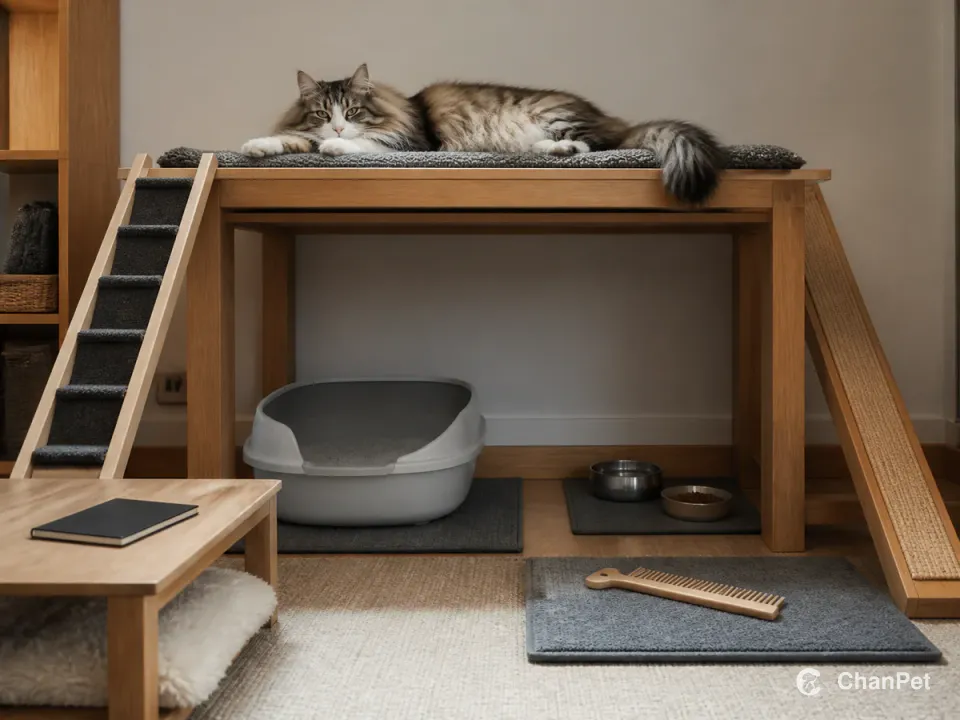
A protected high resting place gives the cat a choice, while fixed food, litter and grooming zones keep adult-led care clear in a family home.[1][2][3]
A family fit when the cat has both company and a quiet place
Picture the cat in your family's busiest hour
Use Start Smart Match to compare your children's ages, adult availability, and home rhythm with a Norwegian Forest Cat's everyday care.
Common questions
Can children play with a Norwegian Forest Cat?
Who should clean the litter box in a family home?
Adults should set the routine and decide which child jobs are appropriate. Whoever handles litter or supplies should wash hands afterward, and the cleanup area should stay away from food preparation.[3]
Sources
Sources used in this article
- [1]Norwegian ForestThe International Cat Association
- [2]Feline Life Stages: Veterinary Checkups at All AgesFeline Veterinary Medical Association
- [3]CatsCenters for Disease Control and Prevention