Treat the first meeting as fieldwork
Start outside if you can. Walk a few minutes at an easy pace, then pause. Watch what happens when a car passes, a person appears, or the leash tightens. A dog that needs more distance is giving you useful information, not failing a test.[1][2]
Ask about age, current weight, known medical care, feeding, and previous homes. Mixed ancestry can make a dog look familiar, yet it does not supply a personal health file. AKC's overview makes the same practical point: health questions belong with every dog.[1][3]
Begin training where the day actually happens
The first useful lessons happen at the front door, beside the food bowl, and on the first short walk. Reward a pause before going out. Reward a name response. Reward four paws on the floor when you come back inside. These moments arrive every day without needing a special class slot.[2]
New owners often learn fastest by keeping the goal tiny. When a dog becomes worried, make the next attempt easier and move farther from the trigger. AVSAB supports reward-based training, which gives a beginner a clear job: notice the response and adjust the setup.[2]
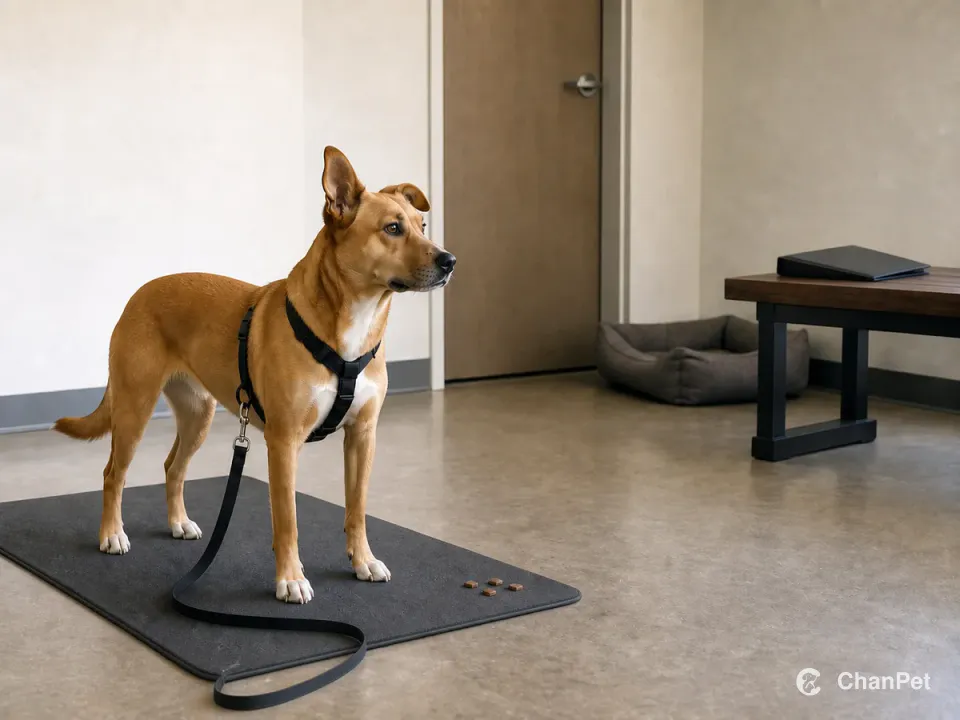
Watch how this dog stands and responds to a new sound, then use a tiny reward lesson to see how it learns. Keep the records nearby and judge the individual in front of you.[1][2][3]
A strong start comes from observation, not detective work
Meet the dog before you commit to the story
Watch a real walk, ask for the real records, and make room for short daily training. That gives a first-time owner a useful picture of life with this dog.[1][2]
Common questions
What should I look for during a first meeting?
What are the first training goals for a new mixed-breed dog?
Start with a name response, a short wait at the door, a few calm leash steps, and settling indoors. Reward the behavior you want and make the task easier when the dog looks worried.[2]
Sources
Sources used in this article
- [3]Are Mixed-Breed Dogs Healthier Than Purebred Dogs?American Kennel Club
- [1]Selecting a DogAmerican Veterinary Medical Association
- [2]Position Statement on Humane Dog TrainingAmerican Veterinary Society of Animal Behavior