The first lesson is not how to be tougher than the dog
A Rottweiler's size and strength make ordinary moments worth planning. A loose lead at the front door, an unexpected visitor or excitement around another dog can become difficult when nobody has practiced a calm response. Start with repeatable steps at those points: wait at the door, turn back toward the handler, and settle while a visitor comes in. A powerful working dog needs clear communication and steady routines, not forceful handling.[1][2]
First-time owners do not need to arrive with perfect timing or a shelf full of equipment. They do need to be willing to learn from the dog in front of them. Can you notice when the dog needs more distance, reward a quiet pause, and change the setup before frustration grows? If the answer is not yet, that is a useful starting point. A class or a qualified trainer can help turn those questions into practical skills.[2]
Build small skills before asking for difficult ones
The useful early exercises are modest: coming away from a distraction, waiting while a door opens, settling on a bed, releasing an object, and accepting a paw wipe. Each skill makes a real part of life easier. A dog who can rest on a mat while groceries come in does not need to be physically held back. A dog who is rewarded for turning toward the handler has another option besides pulling toward something interesting.[2]
The American Veterinary Society of Animal Behavior recommends reward-based training and advises against methods that rely on pain, fear or intimidation. This matters especially with a large dog. Look for coaching that explains the space, breaks a task into steps and helps you recognize stress. Avoid promises that a dog can be made obedient in a few sessions.[2]
Learn to read health information, not just a sales claim
When speaking with a breeder or placement organization, ask for records you can review. The American Rottweiler Club lists hip, elbow, eye, cardiac and JLPP screening among the health checks used in its breeding guidance. Results do not guarantee a disease-free future, but clear records let you ask better questions and avoid treating a vague assurance as evidence.[3]
New owners also need a simple rule for changes in movement: do not diagnose them from a video or a social post. Hip dysplasia is a developmental joint condition that is more common in large-breed dogs, and signs can include lameness, pain, reduced range of motion or a bunny-hopping gait. A veterinarian can decide what examination or imaging is appropriate for an individual dog.[5]
A more useful readiness check
- Every adult in the home can describe the same rules for doors, leads, visitors and the dog's resting place.
- You have chosen support that teaches reward-based skills instead of relying on intimidation.
- A normal busy day still has room for outdoor time, short training, rest and calm contact with people.
- You know who can care for the dog if the main carer is ill, delayed or away overnight.
- You can review health records and arrange veterinary help when a change in movement or comfort appears.
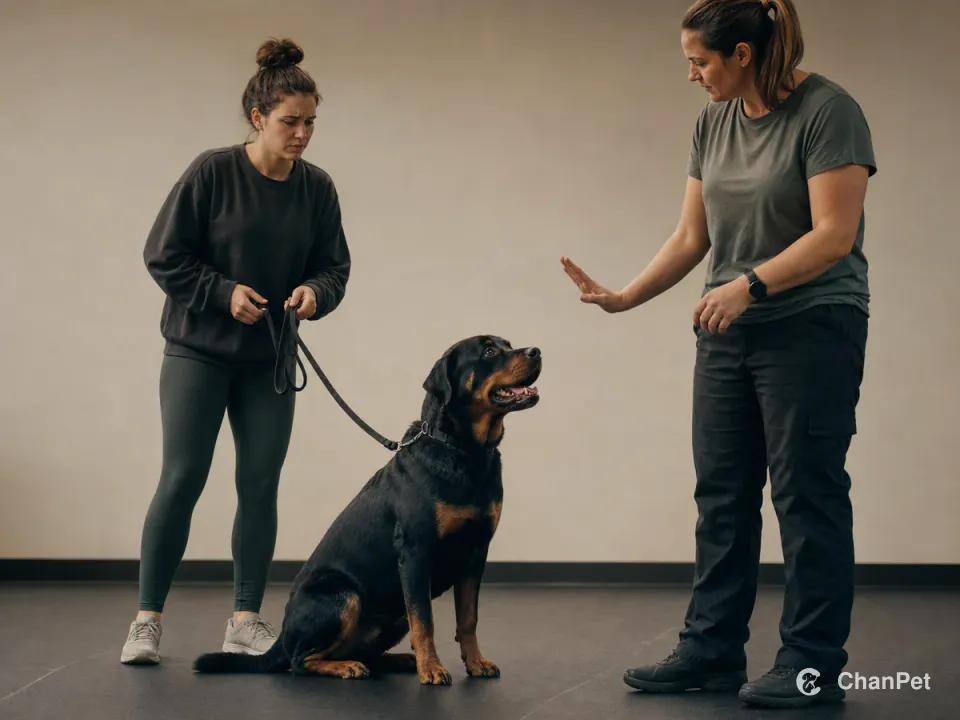
Small, clear practice comes before asking a dog to cope with a busy setting.[2][4]
The honest answer for a first-time owner
Start with the parts that need practice
Thinking about your first Rottweiler? Put your time, home and available help into the match. It shows where you need a plan before a dog comes home.[2][1]
Common questions
Do I need previous large-dog experience before getting a Rottweiler?
Is puppy socialization about meeting as many people as possible?
No. It is about safe, positive and manageable learning. AVSAB advises against pushing a puppy into excessive fear, withdrawal or avoidance just to add another exposure to the list.[4]
Sources
Sources used in this article
- [1]FCI Standard No. 147: RottweilerFédération Cynologique Internationale
- [2]AVSAB Position Statement on Humane Dog TrainingAmerican Veterinary Society of Animal Behavior
- [3]Rottweiler Breed HealthAmerican Rottweiler Club
- [5]Hip Dysplasia in DogsMerck Veterinary Manual
For a puppy, socialization should have an exit route
AVSAB identifies the first three months as a key period for safe puppy socialization. The goal is not to pack every day with people, dogs and noise. The goal is to offer manageable experiences while the puppy can still rest, eat and move away. A short look at a bus from a comfortable distance can be a successful lesson. A crowded outing that leaves the puppy frozen or unable to settle is not.[4]
Choose introductions that fit the future dog you hope to live with. This may mean a calm visitor, a few quiet minutes in the car, gentle handling of ears and paws, or watching a delivery person from behind a gate. Keep the puppy's reaction at the center of the plan. If the dog withdraws, stiffens or cannot recover, reduce the difficulty and seek guidance instead of pressing on.[4][2]